Briefing
OpenAI’s back-to-school pitch centers on three education plugins for ChatGPT Work and Codex: College Student, K–12 Educator, and College Educator. In OpenAI’s framing, a plugin packages apps, role-specific skills, instructions, and common workflows so students and teachers can start without inventing complex prompts from scratch.
Availability tracks institution-managed deployments: ChatGPT Edu workspaces get all three plugins; ChatGPT for Teachers workspaces managed through a district domain claim get the K–12 Educator plugin. TechRepublic’s coverage mirrors the same packaging story — multi-step teaching and learning tasks grounded in course materials and approved context.
What each plugin is for
OpenAI describes the College Educator plugin as course design, teaching, and academic planning — syllabi updates, interactive sites or multimedia assessments, adapting materials, packaging for an LMS. Connected calendars, documents, and other approved tools are part of the pitch so faculty do not rebuild context for every project.
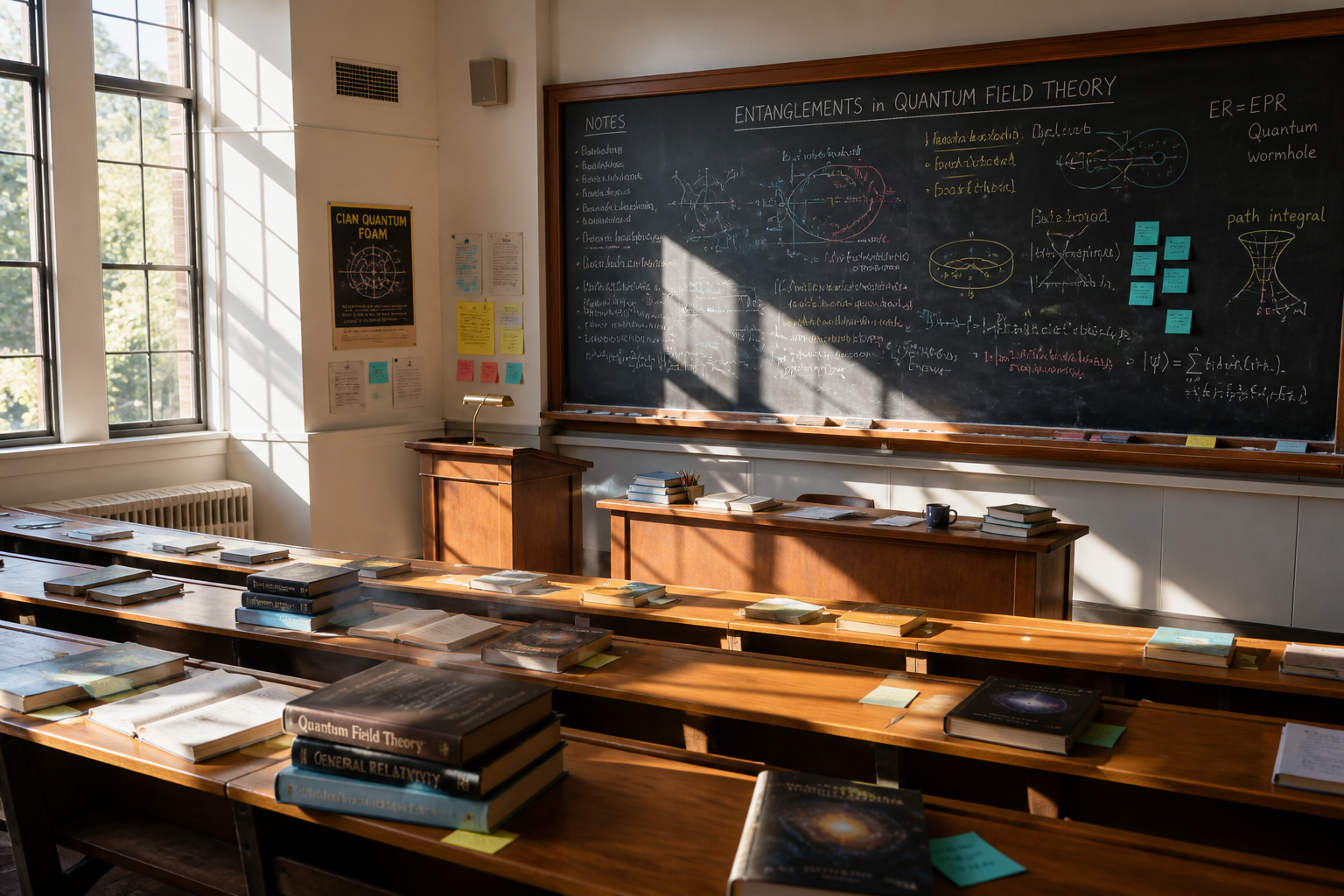
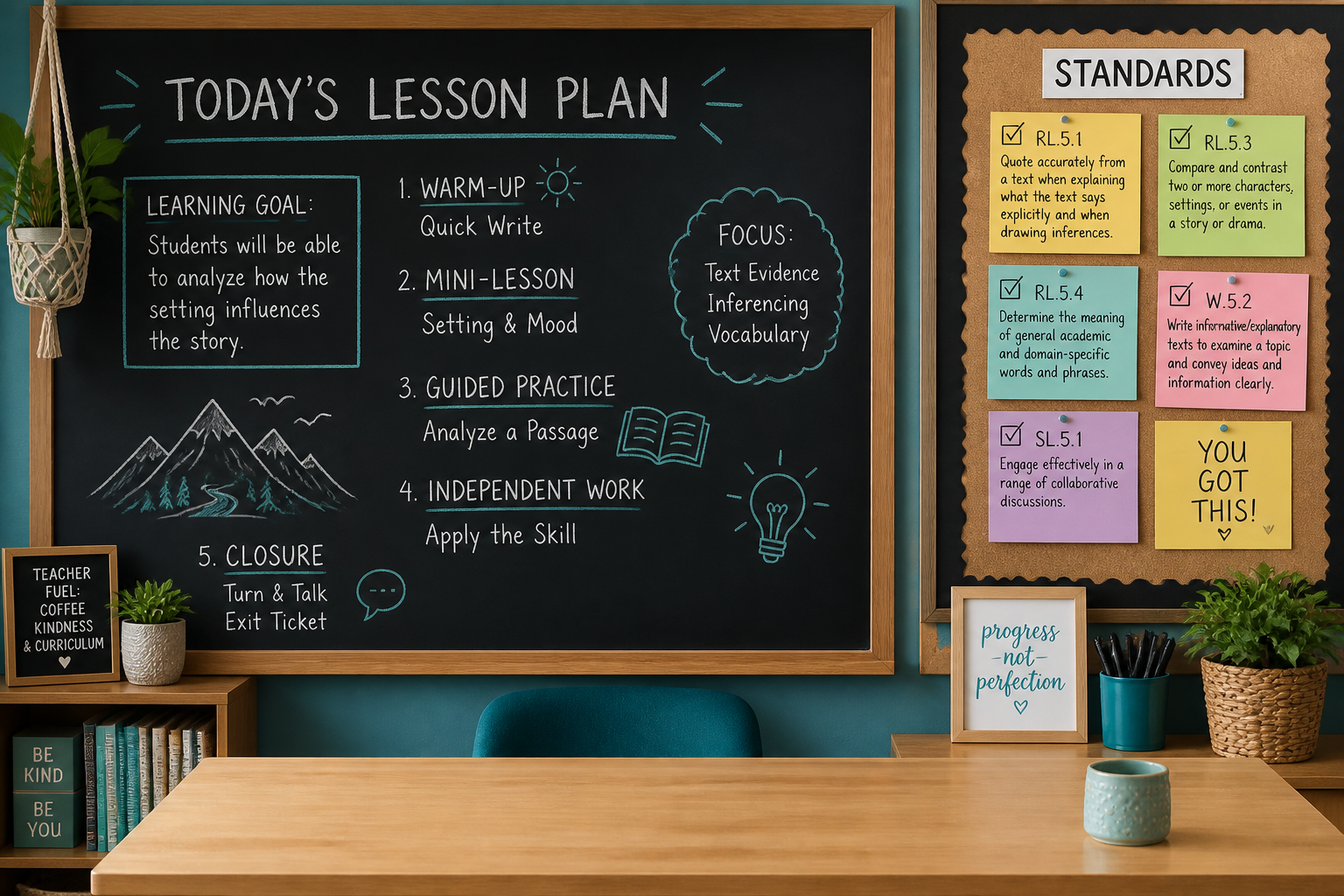
The College Student plugin targets source-grounded study: guided tutoring, practice, study guides, quizzes, flashcards, and visual explanations from materials students choose. The K–12 Educator path — also detailed in OpenAI Academy posts — emphasizes classroom-ready lesson materials, assignments, and formative checks with local standards context when available.
“By connecting to the tools and materials they already rely on, from documents and course materials to calendars and other approved apps, the plugins understand the context and task at hand…”
For buyers comparing assistants, the signal is packaging and governance: district and campus admins still control what gets installed, which connectors are allowed, and how student data is handled. The plugins do not remove assessment-integrity questions — they make “guided practice from approved materials” a first-class surface.