Feature
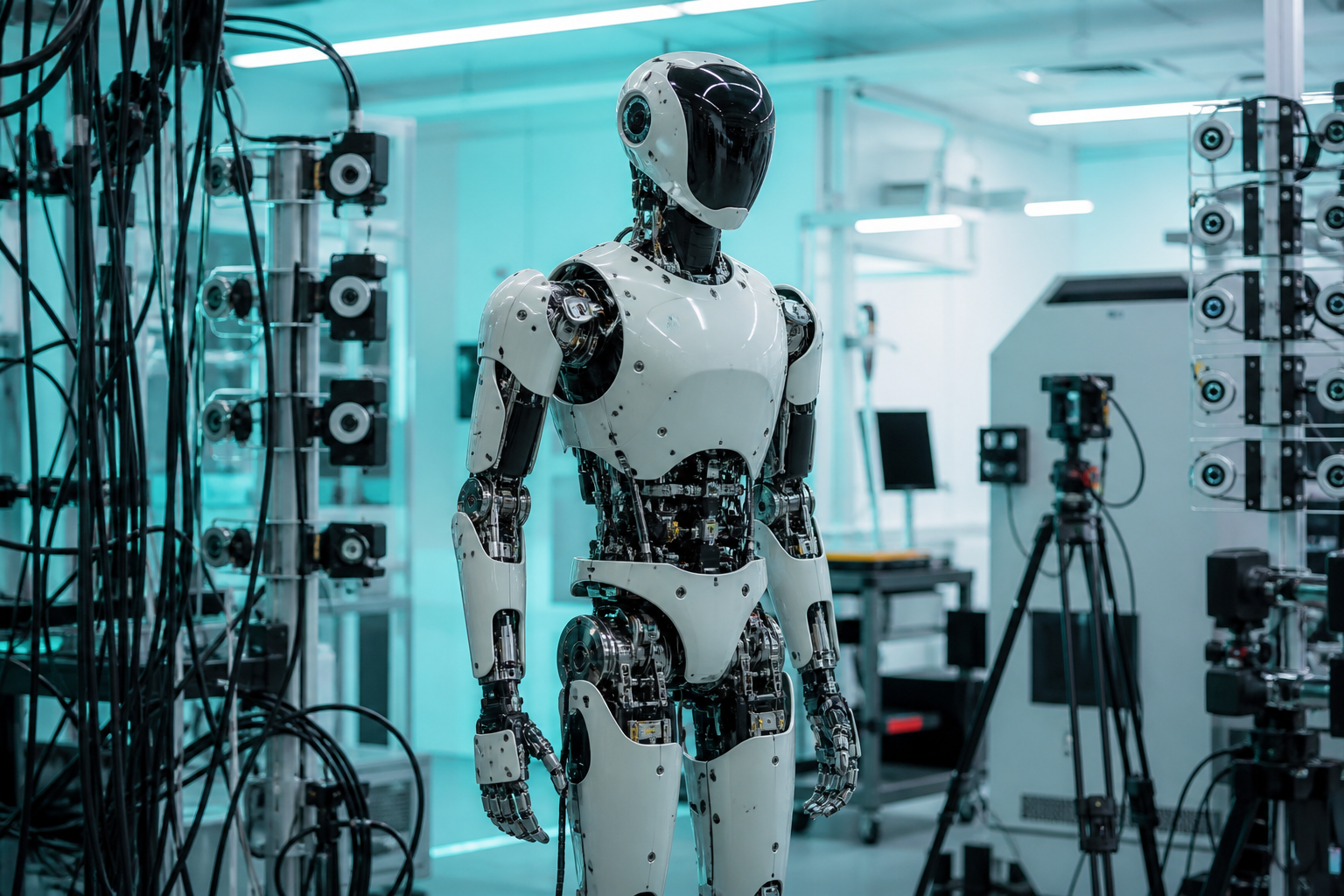
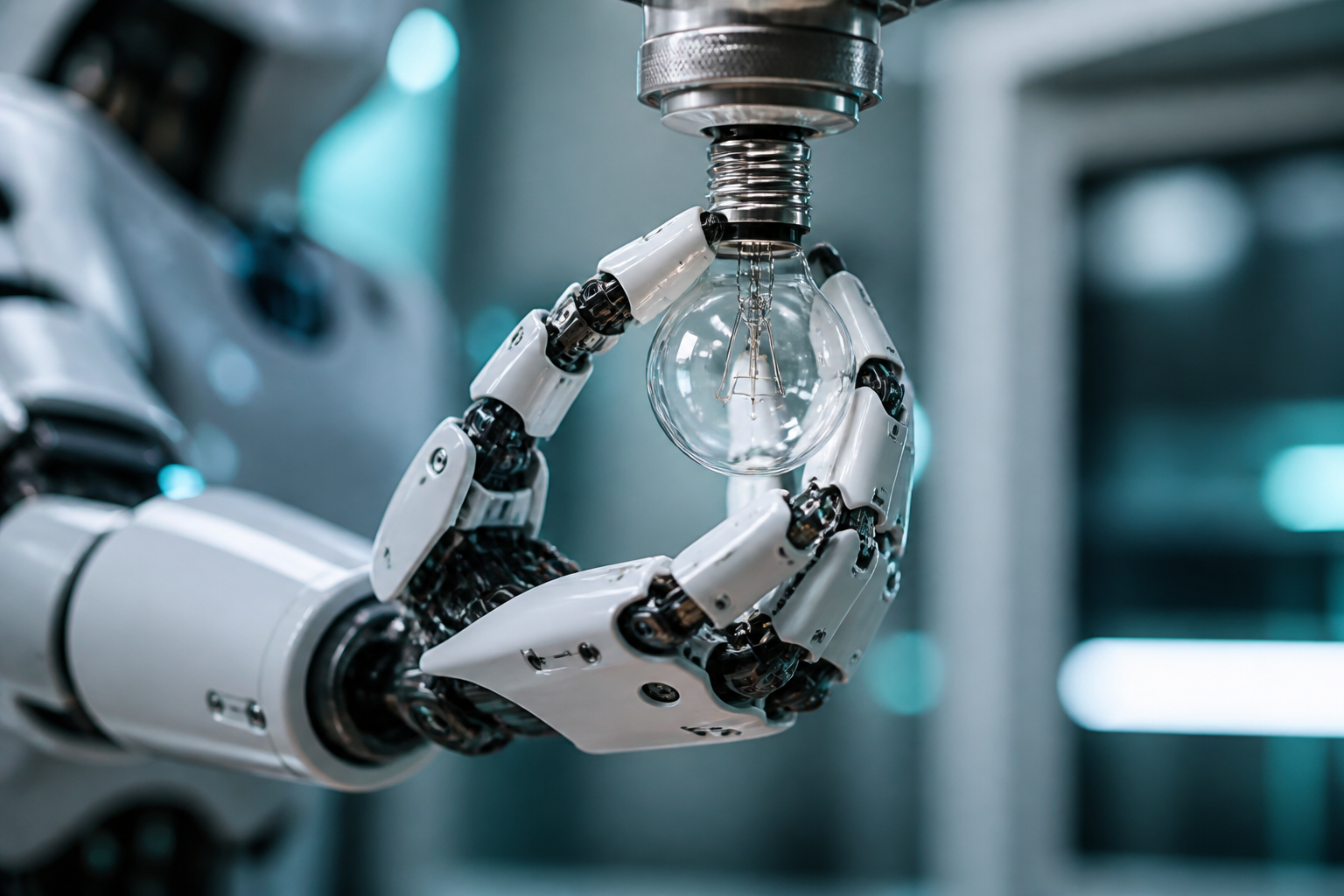
WIRED’s report on Gemini Robotics 2 frames Google DeepMind’s push into whole-body intelligence: not just arms on a tabletop, but humanoid platforms that can attempt dextrous chores such as screwing in lightbulbs and tying trash bags. DeepMind’s own blog positions the release as bringing whole-body control to robots, with The Verge covering the same capability leap.
Demo footage and partner messaging lean on Apptronik’s Apollo 2 humanoid as a visible embodiment. That matters for buyers outside research labs: whole-body policies only become product-relevant when they transfer across hardware and survive contact-rich environments — not just polished video.
“The safety question is even more pressing because you're putting them in a lot of other situations… There's a lot of uncertainty that will show up, and so you want to be able to understand the safety question more deeply.”
DeepMind pairs the capability story with layered safety work — including embodied-reasoning models such as Gemini Robotics ER 2 and benchmarks aimed at refusing unsafe tool calls and detecting human proximity. That stack is unfinished by design: physical common sense is still an open research problem, not a shipping checkbox.
For rankings that still focus on chat and coding assistants, treat robotics as a parallel product line sharing Gemini branding. The near-term buyer question is narrower: which embodied APIs and safety evals are documented enough to pilot — and which remain demo theater.