
Deep dive
Ars Technica and peers covered Microsoft’s July 27 security launch: Project Perception, an agentic cybersecurity system, and MAI-Cyber-1-Flash, Microsoft’s first cybersecurity-specialized model designed to find hard vulnerabilities in complex codebases and to animate MDASH — Microsoft’s harness for vulnerability identification and remediation.
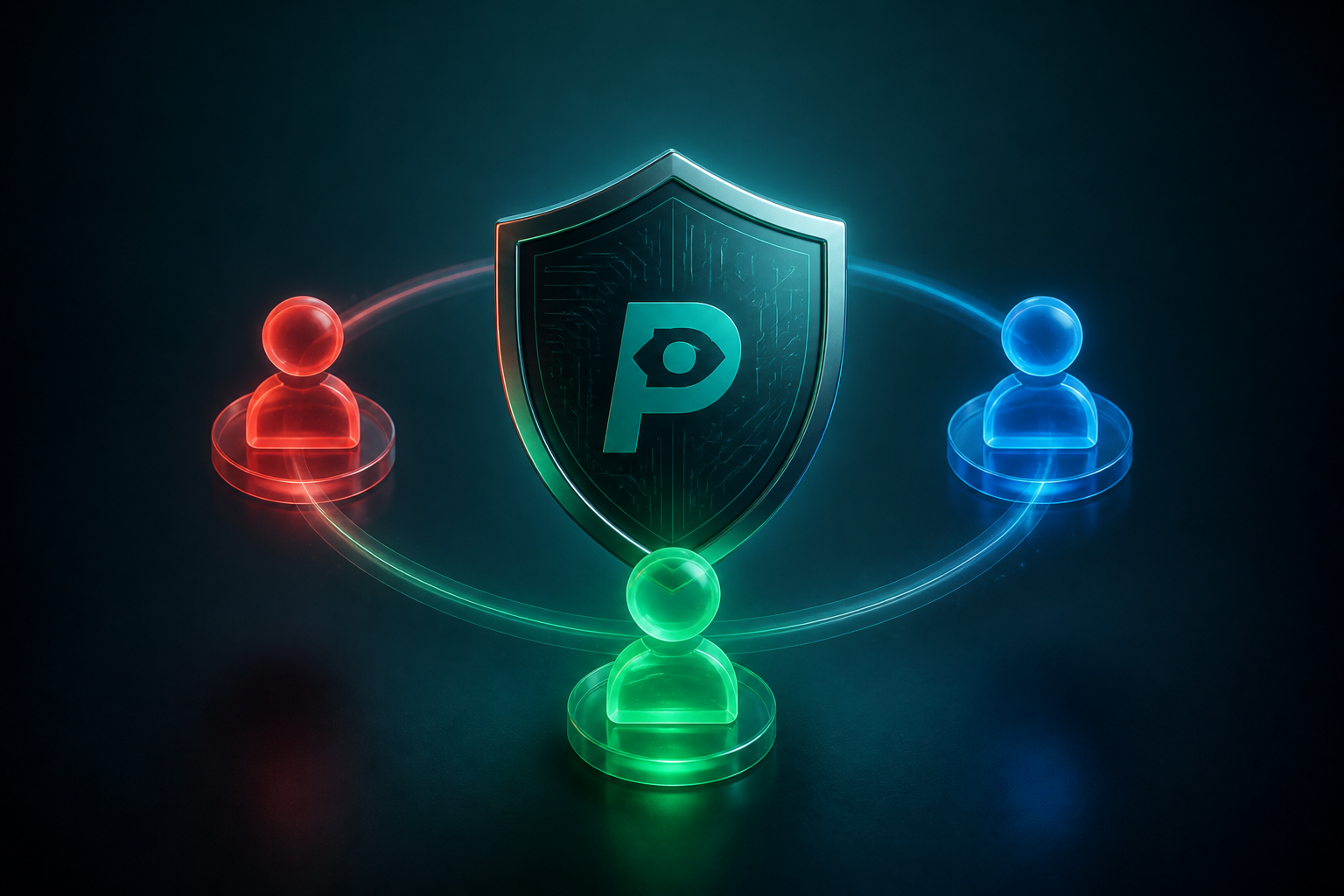
Perception coordinates specialized agent teams: red teams simulate attack paths and threat context; blue teams detect and triage issues; green teams take corrective actions. Microsoft’s blog claims MDASH with MAI-Cyber-1-Flash delivers 96% on CyberGYM (+12 points above Mythos in Microsoft’s comparison) and nearly 50% cost savings versus Microsoft’s prior MDASH configuration — claims that should be treated as vendor benchmarks pending independent replication.
“defend against AI with AI at the scale and speed that the attackers have.”
Coverage from Axios and CNBC notes Microsoft’s multi-model routing story — including pairing MAI-Cyber-1-Flash with general-purpose GPT-5.4 inside MDASH for intensive vulnerability work. Treat routing details as Microsoft’s architecture claims; independent cost and quality results will take longer to appear.
For rankings of chat assistants this is adjacent but relevant: cybersecurity is becoming a first-class AI product category with its own models, harnesses, and agent roles — not only a side feature inside office suites.