Deep dive
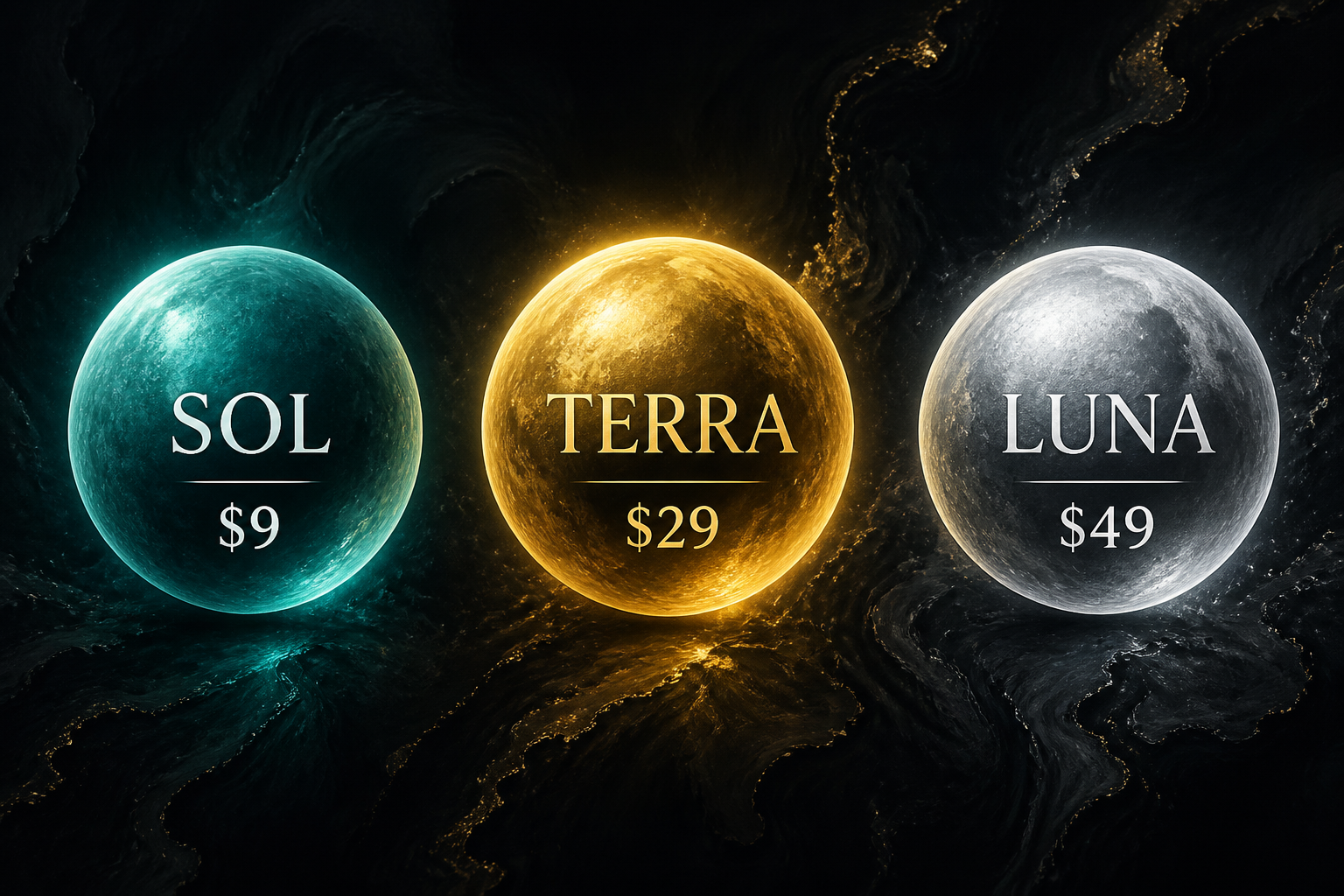
A day after detailing how GPT-5.6 helped make itself cheaper to run, OpenAI passed those gains to customers: GPT-5.6 Luna, the fastest and most affordable tier, costs 80% less; GPT-5.6 Terra, the balanced everyday tier, costs 20% less. The lower Luna and Terra rates also change how usage is counted against paid subscriptions in Codex and ChatGPT Work. Sol pricing remains unchanged.

“Our efficiency edge comes from improving the models, the inference systems that run them, and the agentic harness that connects them to tools and context.”
Where the savings come from
OpenAI attributes the efficiency edge to three layers: the models themselves, the inference systems that run them, and the agentic harness that connects them to tools and context. In the same post, the company says GPT-5.6 Sol helped rewrite production kernels and run speculative-decoding experiments — work credited with roughly 20% lower end-to-end serving cost and more than 15% better token-generation efficiency in OpenAI’s accounting.
Read OpenAI
- Advancing the price-performance frontier with GPT-5.6 — Price cuts and efficiency framing
- Previewing GPT-5.6 Sol — Sol / Terra / Luna tiers